

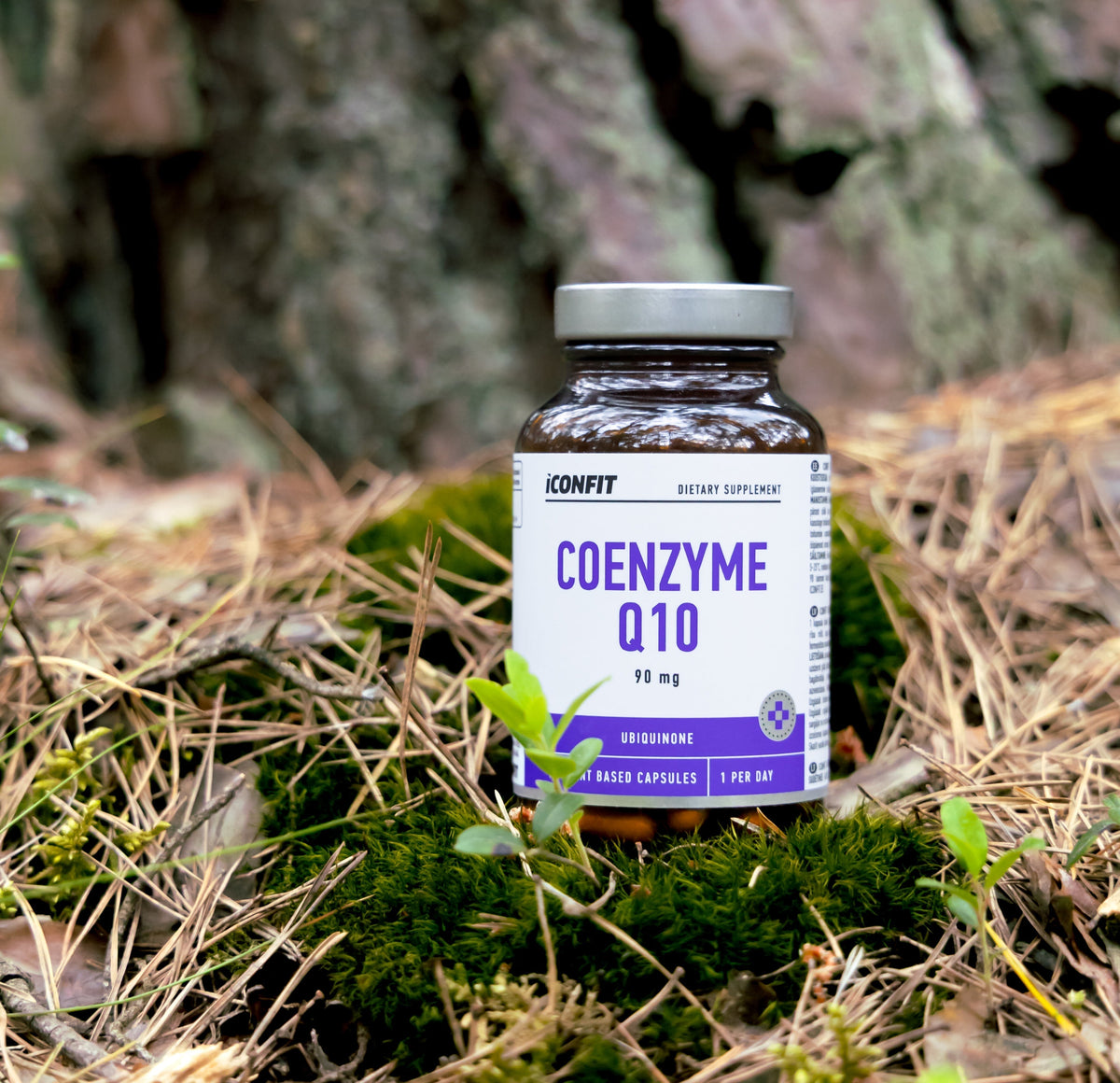
Dzirdot vārdu salikumu koenzīms Q10, daudzi cilvēki droši vien uzreiz iedomājas reklāmas par pretnovecošanas sejas krēmiem – un ne bez iemesla. Q10 ir spēcīgs antioksidants, kas palīdz aizsargāt šūnas no oksidatīvā stresa un aktīvi piedalās arī šūnu enerģijas ražošanā. Tā kā Q10 daudzums organismā tieši ietekmē mūsu kopējo enerģijas līmeni, šis savienojums ir svarīgs gan skaistumam, gan vispārējai labsajūtai. Apskatīsim tuvāk, kas ir koenzīms Q10 un kā tas atbalsta mūsu organismu.

Q10 un tā ieguvumi organismam
Koenzīms Q10 ir taukos šķīstoša, vitamīnam līdzīga viela, kas atrodama visās organisma šūnu membrānās. Vārds "koenzīms" norāda, ka tas ir tā sauktā palīgmolekula, kas palīdz enzīmam veikt ķīmiskās reakcijas organismā. Lai gan šis koenzīms ir atrodams visā organismā, augstākā Q10 koncentrācija ir sirdī, aknās, nierēs un aizkuņģa dziedzerī. Organisms pats sintezē Q10, taču tas atrodams arī pārtikā un dažādos uztura bagātinātājos.
Organismā Q10 pastāv divās formās – ubihinons un ubihinols. Ubihinons ir Q10 neaktīvā forma, bet ubihinols – aktīvā forma. Tās atšķiras viena no otras tikai ar vienu elektronu. Lai gan ubihinons ir stabilāks, aptuveni 90% Q10 organismā atrodas ubihinola formā. Ubihinola sintēze samazinās līdz ar vecumu.
Q10 loma šūnu enerģijas ražošanā
Q10 spēlē ļoti svarīgu lomu organisma enerģijas ražošanā. Koenzīms Q10 darbojas kā elektronu nesējs šūnu mitohondrijās, palīdzot uzsākt procesu, kurā tiek sintezēts ATP – galvenā enerģijas molekula šūnās. Kad Q10 līmenis ir zems, elektronu transportēšanas un ATP ražošanas sistēma palēninās, un šūnu enerģijas piegāde kļūst neefektīva.
Kad ATP ražošana kļūst neefektīva, šūnas nesaņem pietiekami daudz enerģijas normālai darbībai, rodas oksidatīvais stress, un tas var izraisīt šādus veselības stāvokļus:
- Šūnu bojājumi un nāve — oksidatīvais stress palielinās un pieaug sirds šūnu bojājumu risks.
- Sirds, nervu un muskuļu slimību attīstība — mitohondriālais enerģijas deficīts ietekmē vairāku slimību attīstību, piemēram, Alcheimera slimību un sirds mazspēju.
- Vairāku nopietnu hronisku slimību pasliktināšanās — piemēram, hroniska išēmiskā sirds slimība, muskuļu distrofija un 2. tipa cukura diabēts.
Šūnu enerģijas piegādes neefektivitātes dēļ visvairāk apdraudētie orgāni ir tie, kuriem ir liela nepieciešamība pēc enerģijas un kuri ir atkarīgi no nepārtrauktas un efektīvas ATP sintēzes – sirds, smadzenes, muskuļi un nieres.
Dermatoloģijā efektīva šūnu enerģijas ražošana nozīmē šādus ieguvumus:
- Ādas šūnas darbojas efektīvāk
- Uzlabojas ādas spēja atjaunoties
- Āda izskatās mirdzošāka un svaigāka
Tieši šo iemeslu dēļ Q10 tiek plaši izmantots arī kosmētikas produktos.
Q10 — enerģija un nogurums
Iepriekš apspriedām, cik svarīgu lomu Q10 spēlē šūnu enerģijas ražošanā. To varam arī veiksmīgi izmantot savā labā.
Pamatojoties uz pētījumiem, Q10 ir bioloģiski pamatota un klīniski izmērāma ietekme uz noguruma mazināšanu, īpaši situācijās, kad nogurums ir saistīts ar mitohondriālo disfunkciju un oksidatīvo stresu.
Sistemātisks pārskats un metaanalīze (2022) par 13 randomizētiem kontrolētiem pētījumiem ar 1126 dalībniekiem parādīja, ka Q10 uztura bagātinātāji statistiski nozīmīgi samazina nogurumu salīdzinājumā ar placebo. Efekts tika novērots gan veseliem, gan slimiem cilvēkiem, taču bija izteiktāks pacientiem ar hroniskām slimībām, piemēram, hroniskā noguruma sindromu, fibromialģiju un sirds mazspēju. Īpaši efektīvi bija uztura bagātinātāji, kas satur tikai Q10, savukārt kombinētie uztura bagātinātāji nozīmīgus rezultātus neuzrādīja. Augstākas dienas devas (300–500 mg/dienā) un ilgāks lietošanas laiks bija saistīts ar lielāku noguruma samazināšanos. Q10 tika atzīts par drošu un labi panesamu, tāpēc tiek uzskatīts par efektīvu līdzekli noguruma mazināšanā, lai gan ilgtermiņa efektivitāte prasa turpmāku izpēti.
Interesenti var izlasīt pārskatu ŠEIT.
Atbalstiet sava organisma ikdienas enerģijas ražošanu ar ICONFIT augstas kvalitātes Q10 uztura bagātinātāju.

Iepazīstiet ICONFIT Koenzīmu Q10 šeit
Q10 kā antioksidants — šūnu aizsardzība pret bojājumiem
Koenzīms Q10 ir taukos šķīstošs antioksidants, kas atrodams cilvēka šūnu mitohondrijās. Pateicoties spējai mainīties starp oksidētu (ubihinons) un reducētu (ubihinols) formu, tas darbojas kā spēcīgs antioksidants.
Atgādinām, ka antioksidanti ir savienojumi, kas aizsargā šūnas no oksidatīvā stresa, neitralizējot kaitīgos brīvos radikāļus. Tie palīdz uzturēt šūnu līdzsvaru un samazina iekaisumu un šūnu bojājumus.
Q10 kā antioksidants:
- Neitralizē brīvos radikāļus
- Aizsargā šūnu membrānas no lipīdu oksidācijas
- Atjauno citus antioksidantus (E un C vitamīnu)
- Stabilizē mitohondriālo darbību, samazinot ROS (reaktīvo skābekļa radikāļu) veidošanos enerģijas ražošanas laikā
- Samazina iekaisumu
Tas viss padara Q10 par vienu no vissvarīgākajiem antioksidantiem organismā, kura līmenis samazinās līdz ar novecošanu un slimībām.

Q10 — sirds veselības atbalsts
Koenzīms Q10 ir būtisks sirds veselībai, jo atbalsta enerģijas ražošanu sirds muskuļa šūnās, aizsargā šūnas no oksidatīvā stresa un palīdz uzturēt normālu asinsvadu darbību. Šo efektu dēļ koenzīms Q10 var būt īpaši izdevīgs šādām sirds slimībām un stāvokļiem:
- Sirds mazspēja
- Išēmiskā sirds slimība
- Periods pēc un pirms sirds operācijām (piemēram, šuntēšanas operācija, vārstuļu operācija)
- Hipertensija (augsts asinsspiediens)
- Aritmijas (īpaši priekškambaru fibrilācija pacientiem ar sirds mazspēju)
- Sirds un muskuļu enerģijas deficīts, kas saistīts ar statīnu lietošanu
Vairāk par ICONFIT uztura bagātinātāju ar Q10, kas atbalsta sirds un asinsvadu veselību, var uzzināt ŠEIT.
Q10 deficīts — kādas ir simptomi?
Q10 ir vitāli svarīga viela, kas piedalās šūnu enerģijas ražošanā un ir nozīmīga organisma dabiskajai aizsardzībai. Kad Q10 līmenis organismā samazinās, tas var ietekmēt pašsajūtu un organisma darbību daudzos līmeņos.
Enerģija un vispārējā labsajūta
- Pastāvīgs nogurums un zems enerģijas līmenis
- Ātra spēku izsīkšana pat ar parasto slodzi
- Samazināta darbaspēja un koncentrēšanās grūtības
Muskuļi un kustīgums
- Muskuļu vājums un muskuļu nogurums
- Muskuļu sāpes vai stīvums
- Samazināta fiziskā izturība
- Zemāka slodzes tolerance
Nervu sistēma un līdzsvars
- Līdzsvara un koordinācijas traucējumi
- Nestabila gaita
- Koncentrēšanās un atmiņas problēmas
- Retos gadījumos — krampji

Sirdsdarbība
- Sirds muskuļa vājināšanās
- Samazināta sirds efektivitāte
- Esošo sirds problēmu pasliktināšanās
Nieru darbība (smagākos gadījumos)
- Nieru disfunkcija
- Proteīns urīnā
- Nieru slimības progresēšana
Q10 deficīta simptomi var būt neskaidri un līdzīgi citām veselības problēmām, tāpēc Q10 loma bieži tiek atstāta novārtā.
Q10 deficīts — cēloņi un kas ir riska grupā?
Q10 deficīts ir stāvoklis, kad šūnās, īpaši mitohondrijās, uzkrājas pārāk maz koenzīma Q10. Tas tiek uzskatīts par mitohondriālu slimību un ir vienīgā mitohondriālā slimība ar efektīvu ārstēšanu — koenzīma Q10 uztura bagātinātājiem.
Koenzīma Q10 deficītu var izraisīt gēnu mutācijas, sintēzes problēmas vai slimības, medikamenti un novecošana.
Ar vecumu saistīts samazinājums. Q10 līmenis organismā dabiski samazinās līdz ar vecumu. Ir konstatēts, ka 80 gadu vecumā Q10 sintēze sirds muskulī var būt samazinājusies par aptuveni 50% salīdzinājumā ar jaunu pieaugušo. Tas var izraisīt:
- Šūnu enerģijas ražošanas samazināšanos
- Oksidatīvā stresa palielināšanos
- Lielākus šūnu bojājumus (DNS, olbaltumvielas, lipīdi)
Zems Q10 līmenis ir saistīts ar novecošanai raksturīgu hronisku iekaisumu. Q10 samazinājums var būt gan novecošanas sekas, gan faktors, kas veicina tās paātrināšanos.
Stress un augsta spriedze samazina Q10 līmeni. Stresa situācijās enerģijas ražošana samazinās un Q10 līmenis var kristies, jo mitohondriji darbojas mazāk efektīvi.
Statīnu terapija. Statīnus galvenokārt lieto, lai samazinātu sirds un asinsvadu slimību risku, jo tie pazemina asins holesterīna līmeni un palēnina aterosklerozi. Statīni var samazināt koenzīma Q10 līmeni organismā.
Cik daudz Q10 organismam nepieciešams dienā?
Q10 nav klasisks vitamīns, jo cilvēka organisms pats spēj to sintezēt, tāpēc EFSA nav noteikusi oficiālu ieteicamo dienas devu Q10.
100–200 mg dienas deva Q10 uztura bagātinātājiem tiek plaši izmantota klīniskajos pētījumos un pārskatos, uzrādot ieguvumus īpaši sirds un asinsvadu veselībai un asinsspiedienam.
Papildiniet sava organisma Q10 rezerves ar ICONFIT uztura bagātinātāju.

Apskatiet ICONFIT Koenzīmu Q10 šeit
Q10 drošums
Koenzīms Q10 parasti tiek ļoti labi panesams. Visbiežāk sastopamās blakusparādības ir vieglas un retas:
- Kuņģa-zarnu trakta traucējumi
- Slikta dūša, caureja
- Bezmiegs (retāk)
Dažas institūcijas pieļaujamo dienas devu novērtē 12 mg/kg ķermeņa svara (pamatojoties uz toksicitātes pētījumiem). EFSA nav noteikusi drošu Q10 dienas devu.
Dabīgie avoti — Q10 no pārtikas
Tā kā organisma pašu Q10 sintēze samazinās līdz ar vecumu, no pārtikas un uztura bagātinātājiem iegūtais Q10 kļūst arvien nozīmīgāks. Koenzīms Q10 dabiski atrodams daudzos pārtikas produktos.
Labi Q10 avoti ir:
- Iekšējie orgāni — liellopu sirds un aknas, vistas sirds un aknas
- Treknas zivis — forele, lasis, makrele, sardīnes
- Gaļa — liellopu gaļa, vistas gaļa, cūkgaļa
- Sojas produkti — soja, tofu, sojas piens, sojas jogurts
- Dārzeņi — brokoļi
- Rieksti un sēklas — pistācijas, zemesrieksti, sezama sēklas
Apskatīsim tuvāk Q10 saturu dažādos pārtikas produktos:

Q10 pieejamība no pārtikas diemžēl ir zema — vidēji aptuveni 5 mg dienā, taču arī tas ir noderīgi. Q10 ir taukos šķīstošs, tāpēc tā uzsūkšanās no pārtikas ievērojami palielinās, ja to lieto kopā ar taukiem.
Q10 uztura bagātinātāji — kad un kā lietot?
Nav viena labākā laika Q10 uztura bagātinātāja lietošanai — galvenais ir konsekvence. Taču ir daži ieteikumi, lai gūtu maksimālu labumu:
- Q10 vislabāk lietot no rīta vai pusdienlaikā. Tas var palīdzēt justies enerģiskākiem dienas laikā un novērst iespējamus miega traucējumus jutīgiem cilvēkiem.
- Nelietojiet Q10 tukšā dūšā, bet kopā ar veselīgiem taukiem (piemēram, avokado, rieksti, olīveļļa), lai uzlabotu uzsūkšanos.
- Lielākas dienas devas (vairāk par 100 mg) vislabāk sadalīt vairākās mazākās devās (piemēram, 2×100 mg vai 3×100 mg), lai uzlabotu uzsūkšanos.
- Daži pētījumi liecina, ka Q10 + selēns (un E un C vitamīni) var pastiprināt antioksidantu un mitohondriālos efektus.
Visspēcīgākie zinātniskie pierādījumi ir par Q10 + selēna kombināciju, īpaši sirds un gados vecāku cilvēku veselības kontekstā.
Aicinām iepazīties ar ICONFIT selēna uztura bagātinātāju ŠEIT.
Koenzīms Q10 nav tikai noderīga sastāvdaļa kosmētikā, bet gan būtisks savienojums šūnu enerģijas ražošanā, kas ietekmē visa organisma labsajūtu. Q10 līmenis mainās līdz ar vecumu un dzīvesveidu, tāpēc ir vērts pajautāt sev — vai mans organisms saņem pietiekami daudz Q10, lai justos vesels un dzīvespriecīgs?
ICONFIT augstas kvalitātes Q10 uztura bagātinātājs palīdzēs papildināt organisma Q10 rezerves. Iepazīstiet produktu ŠEIT.
Avotu saites
- Koenzīms Q10, StatPearls, Nacionālā medicīnas bibliotēka
- Kāda ir atšķirība starp ubihinolu un ubihinonu?, Today's Practitioner
- 9 koenzīma Q10 (CoQ10) ieguvumi un blakusparādības, Healthline
- ATP sintāzes, inhibitoru un to toksicitātes pārskats, ScienceDirect
- Koenzīma Q10 uztura bagātinātāju antioksidanta un pretiekaisuma efekti infekcijas slimībās, PubMed Central
- Sekundārais CoQ10 deficīts un bioenerģētikas nelīdzsvarotība slimībās un novecošanā, PubMed
- Q10 un novecošana, PubMed Central
- CoQ10 kā supervitamīns: pielietojuma un biosintēzes pārskats, PubMed Central
- Koenzīma Q10 uztura bagātinātāju efektivitāte noguruma mazināšanā, PubMed Central
- Koenzīms Q10 kā papildterapija sirds un asinsvadu slimībās un hipertensijā, ScienceDirect
- Kas ir CoQ10 (Koenzīms Q10)?, WebMD
- Koenzīma Q10 bioloģiskā pieejamība: uzsūkšanās un vielmaiņa, PubMed Central
- Koenzīma Q10 un citu uzturvielu kombinētā uztura bagātināšana medicīniskos stāvokļos, PubMed Central